US Troop Withdrawal from Iraq: Global Geopolitics After 2026
The full U.S. military withdrawal from Iraq marks the end of a 12-year coalition. Explore the risks to regional stability and the future of counter-terrorism.
Nivagoo
Listen to this article
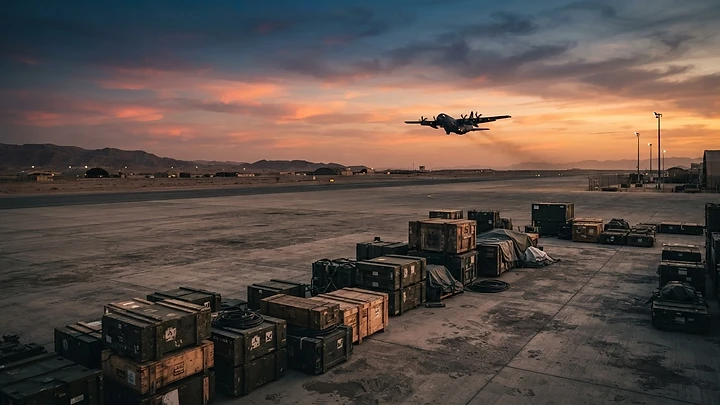
A New Era: The End of a Military Chapter On September 30, 2026, the United States finalized the total withdrawal of its forces from Iraq, bringing a historic cycle to a close. This move marks a definitive end to both the post-2003 presence and the counter-terror coalition initiated in 2014. Executed under the Trump administration, the withdrawal concludes a transition agreement established in 2024.
The operation included the full handover of the strategic Erbil airport base—the backbone of operations in Iraqi Kurdistan—to local authorities. This transfer is being framed by Baghdad as a landmark achievement in national sovereignty, signaling a shift in the regional power balance.
Diplomacy and De-escalation Strategies The exit of U.S.
troops was the culmination of a delicate diplomatic balancing act. Aiming to mitigate the high risks of direct conflict with Iran, the de-escalation strategy sought to shield American assets from the persistent threat of pro-Iranian militias. For years, these groups utilized low-cost drone technology against U.
S. installations, creating an operational bottleneck that drained intelligence resources. By removing its footprint, the U.
S. aims to alleviate this pressure point, prioritizing broader national security interests over local containment.
Sovereignty and the Security Vacuum
With the departure of coalition forces, the Iraqi government now holds sole responsibility for its borders. However, significant concerns remain regarding the readiness of local security apparatuses. Experts suggest that without U.
S. satellite intelligence and aerial surveillance, Iraq's ability to detect insurgent movements in remote regions may drop by 40%. While thousands of tons of armored vehicles, tactical communication systems, and ammunition stocks were transferred to the Iraqi Army, there is growing alarm about maintenance capabilities.
Without advanced training, there is a risk that this modern hardware could eventually enter the informal market or be co-opted by militias should internal instability arise.
Global Impact and Energy Markets
The shift in Iraq’s stability has immediate consequences for global energy. As a key OPEC producer, Iraq’s operational security is vital to oil markets. Analysts warn that any volatility affecting export routes from Basra could trigger a 5% to 10% hike in crude oil prices.
Israel is observing these developments with extreme caution, fearing that the Iranian-led 'Axis of Resistance' may gain deeper strategic depth and secure land corridors stretching across Iraqi territory.
The Rise of Militias and Regional Trends
A power vacuum is creating space for militia groups to exert greater control over national security. There are fears of a 'domino effect' impacting other U. S.
outposts across the Gulf. The democratization of armed drone technology—once a U. S.
monopoly—now serves as a ubiquitous tool for non-state actors, fundamentally changing the asymmetric warfare landscape in the Middle East.
Risks and Opportunities for Iraq
The primary opportunity lies in Baghdad’s potential to cultivate full political autonomy and renegotiate regional alliances without Western interference. Yet, the short-term risks are acute: a resurgence of the Islamic State is a distinct possibility if the military pressure on its remnants continues to wane. Furthermore, the future of Iraqi Kurdistan looks increasingly precarious, as its autonomy was historically bolstered by the indirect protection of the U.
S. -led coalition. As the dust settles, Iraq enters a period of intense uncertainty, testing the durability of its statehood in a complex neighborhood.
Leia também