US and Iran Resume Indirect Talks via Qatar Over Hormuz Strait
Tensions in the Strait of Hormuz have pushed the US and Iran toward indirect diplomacy mediated by Qatar to stabilize global energy markets.
Nivagoo
Listen to this article
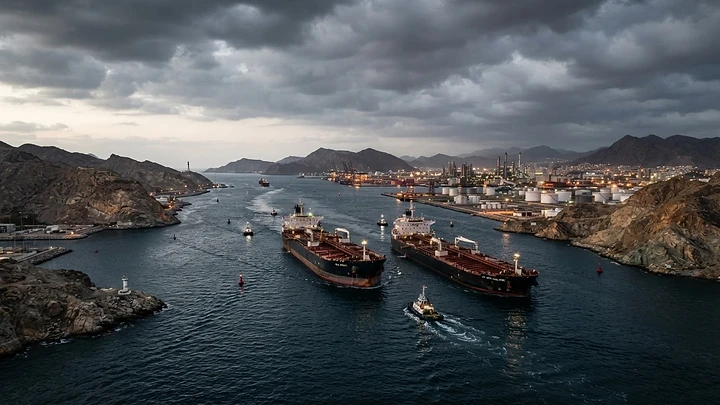
The geopolitical landscape between the United States and Iran has reached a critical inflection point, as both nations resume indirect negotiations mediated by Qatar. Following months of military escalation that peaked with the hostilities in May 2026, both powers are now actively seeking a communication channel to avert a full-scale regional conflict. The primary focus of these discussions has shifted, at least temporarily, from nuclear proliferation toward the logistics and maritime security of the Strait of Hormuz, the world's most vital energy shipping lane.
Recent Developments in Negotiations
The diplomatic landscape took a decisive turn on September 30, when Washington delivered a detailed proposal, as documented by Gate News. Concurrently, the Iranian government formalized a six-member team with full decision-making authority to oversee the process. This structural shift is designed to accelerate responses to what has been dubbed the '7-day proposal.' While the specific contents of this document remain under diplomatic seal, the sense of urgency is palpable. The core impasse remains unchanged: while American negotiators aim to secure maritime routes, Tehran demands meaningful sanctions relief—a prospect that Donald Trump has publicly rejected, maintaining a rigid stance on Truth Social, where he recently referenced a self-styled 'Trump Strait' as a symbol of his doctrine of strength.
Drivers Behind the Return to Diplomacy
Economic pressure within both nations has been the primary catalyst for this shift. With Brent crude oil prices surging by 14% in September alone, the costs associated with transporting basic commodities and LNG have skyrocketed. The reality is that the blockade of the Strait of Hormuz has become economically unsustainable. The Iranian regime, feeling the weight of international sanctions, views control over this route as critical leverage, while the US administration understands that stability in the Persian Gulf is essential to curbing domestic inflation and protecting regional allies.
A Pivot in Geopolitical Strategy
The most significant shift in strategy is the prioritization of logistics over nuclear rhetoric. Historically, debates were dominated by uranium enrichment metrics; now, the immediate concern is the viability of commercial shipping. Iran's domestic infrastructure, significantly strained by the military exchanges of May 2026, faces operational limitations, making diplomacy a more pragmatic choice than a prolonged conflict that would demand unsustainable military expenditure.
Global Impact of the Crisis
The ripple effects of this tension are immediate and severe. Military volatility in the Persian Gulf translates directly into higher fuel prices at gas stations worldwide. Furthermore, there is an intensifying need for satellite monitoring and reinforced defense intelligence, increasing the military burden on all nations reliant on this maritime route. This uncertainty is triggering a forced realignment of alliances, as Middle Eastern nations carefully monitor whether Qatari mediation can effectively temper the ambitions of both global powers.
Future Trends and Implications
There is an increasing reliance on regional mediators in modern geopolitics. Qatar has emerged as an indispensable hub for this type of 'backchannel' diplomacy. If the 7-day window expires without a memorandum of understanding, the likely trajectory points toward a new round of severe sanctions or, more alarmingly, an increase in targeted aerial strikes, as warned by sources such as Pleno.News, raising the risk of unintentional escalation.
Opportunities and Risks Ahead
The principal opportunity lies in the institutionalization of a permanent crisis protocol, brokered by Qatar, which could serve as a model for de-escalating other regional conflicts. Conversely, the greatest risk remains the potential for miscalculation. The tension at the Strait of Hormuz is inherently volatile; a technical failure or a misinterpretation of naval maneuvers could ignite a large-scale war that neither side ostensibly desires, given the massive cost of total regional destabilization.
Leia também