The November 17 Blackout Rumor: Debunking the Digital Collapse Theory
Why did the November 17 global blackout theory go viral? We separate the facts about the FEMA alert test from the internet's latest apocalyptic fiction.
Nivagoo
Listen to this article
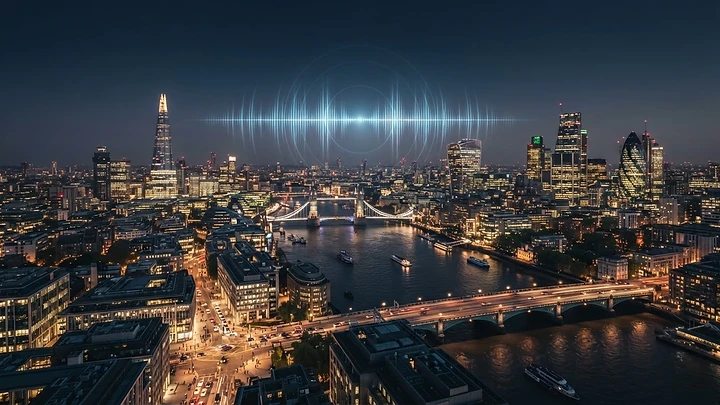
The notion of a global blackout and financial collapse scheduled for November 17, 2026, has dominated social media feeds, fueling disproportionate public anxiety. While the narrative promises the end of global connectivity, the reality behind the rumor is technically straightforward: it is a routine emergency alert system test. The rise of this conspiracy theory illustrates how isolated facts, such as a FEMA announcement, are distorted by algorithms and online echo chambers.
What Fueled the Blackout RumorsWhat began as speculative posts on obscure internet forums quickly gained traction on platforms like TikTok and X, creating a complex web of misinformation. The central trigger is the scheduled technical test of the Emergency Alert System (EAS) in the United States. What was intended to be a one-minute technical procedure for American broadcasters was interpreted by conspiracy theorists as the 'trigger' for a total shutdown affecting global banking, aviation, and the internet.
Curiously, this rumor is merely a recycled narrative that predicted a similar disaster on November 2, proving that when a predicted apocalypse fails to materialize, it is simply rescheduled for a new date.
Why the Viral Spread OccurredThe success of the November 17 blackout disinformation lies in exploiting human psychology and algorithmic vulnerabilities. As analyzed by O Globo, mixing an official FEMA document with pop culture references—specifically 'The Simpsons' clips taken out of context—created a veneer of credibility. Social media algorithms, designed to prioritize content that drives emotional engagement and fear, amplified these posts.
A general lack of technical understanding regarding the decentralization of global power grids, a point clarified by BBC News Brasil, makes it easy for the public to buy into the fantasy that a single event could bring down the entire global system.
Consequences of the DisinformationThe public perception of critical infrastructure security has been severely tested.
Although there is no actual technological impact, the social consequence is tangible: a spike in collective anxiety. According to Valor Econômico, the complexity required to coordinate a cyberattack of such magnitude is incompatible with how the internet functions. The misinformation has forced civil defense agencies to spend precious resources debunking rumors—an invisible but real cost that overburdens institutions that should be focused on genuine emergencies.
The Global Impact of MisinformationThe impact, while vast in the digital realm, does not translate into changes in infrastructure. As pointed out by PopFake, the effort required for fact-checking has increased drastically, straining specialized portals. The induced panic triggered a rush for survivalist supplies, which CNET contextualizes as a typical 'prepping' reaction when the public loses faith in official institutions.
Inferred Future TrendsAs our reliance on connected technologies grows, rumors regarding a 'digital apocalypse' are likely to become recurring events. Fear of power grid failure and distrust of official communications create fertile ground for manipulation, indicating that future conspiracy theories will continue to weaponize legitimate government notices as 'evidence' for their prophecies.
Opportunities and Risks AheadThe misinformation crisis offers a golden opportunity for media platforms to educate audiences on how emergency infrastructure actually operates. On the other hand, the primary risk is 'alert fatigue. ' If the public is bombarded by false warnings, the tendency is for them to ignore legitimate alerts in the future, compromising the effectiveness of civil defense systems during actual crises.