US Troop Withdrawal from Iraq: Reshaping Middle East Geopolitics
The planned total withdrawal of U.S. troops from Iraq is set to redefine the regional balance of power. Explore how this shift impacts local stability.
Nivagoo
Listen to this article
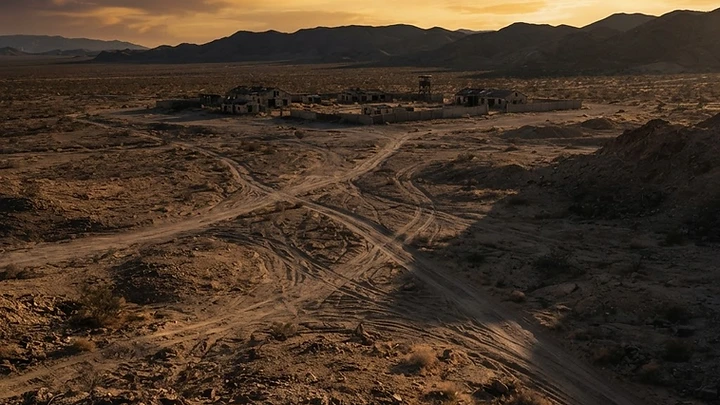
The End of Military Presence: A Total Withdrawal from Iraq
The recent diplomatic shift signaling a total withdrawal of U.S. troops from Iraq marks a watershed moment in Washington's foreign policy. After two decades of direct involvement and cycles of profound uncertainty, the disengagement process forces the Biden administration to confront a complex strategic dilemma: how to maintain regional influence without an overt military presence on Iraqi soil. This transition, far from being a mere logistical hurdle, strikes at the heart of Iraqi national sovereignty and the ambitions of rival powers vying for hegemony in the Middle East.
Geopolitics and Middle East Stability
The total pullout of U.S. forces directly alters the power dynamics across the Middle East. Historically, the American footprint has acted as a critical counterweight to the expansion of Iranian influence in the Levant. With the departure of these troops, a security vacuum emerges, raising urgent questions regarding who will serve as the primary guarantor of political order in Baghdad. International observers warn that regional stability now hinges on the Iraqi government's ability to consolidate its armed forces and prevent renewed sectarian fragmentation—a vulnerability that could be exploited by extremist groups and regional militias.
Challenges for the Biden Foreign Policy
The Biden administration has sought to pivot its strategic focus toward great power competition, specifically with China, making the withdrawal from Iraq a move aligned with this global vision. However, the risk of leaving a strategic ally vulnerable is palpable. Key components of this current transition include:
- Transferring security responsibilities to the Iraqi Security Forces (ISF).
- Maintaining technical advisory and training roles, albeit in a streamlined format.
- Prioritizing diplomatic and economic ties that extend beyond military cooperation.
- Managing Iranian influence, as Tehran seeks to solidify its influence axis stretching through Syria and Lebanon.
Immediate Consequences for the Conflict in Iraq
Although the Iraqi government asserts its total sovereignty, the conflicts within Iraq have left deep scars that will not simply vanish with the departure of American troops. The ongoing battle against extremist remnants and the reconstruction of critical infrastructure remain primary hurdles. The international community is watching cautiously to determine whether this withdrawal will be orderly or if it will precipitate a collapse in the governance of sensitive areas.
Future Perspectives
The future of the relationship between Washington and Baghdad appears to be shifting toward a partnership centered on intelligence cooperation and development aid, moving away from the model of occupation or permanent combat presence. For the Middle East, the withdrawal serves as an invitation for local powers to assume responsibility for their own crises, though the region's history suggests that the absence of an external power often results in new rounds of instability. The trajectory of the coming months will be critical in determining whether Iraq emerges as a sovereign, self-sufficient state or if its geopolitical landscape will be consumed by renewed proxy power struggles.