US Troop Withdrawal from Iraq: Closing a Chapter in the Middle East
The US withdrawal from Iraq marks a pivotal shift in global strategy. We analyze the regional geopolitical impacts and the Pentagon's evolving role.
Nivagoo
Listen to this article
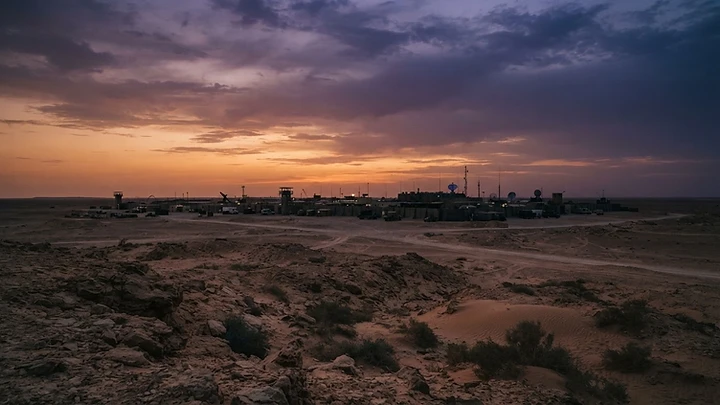
The End of Military Presence: US Forces Leave Iraq and the Regional Landscape
The announced withdrawal of US troops from Iraq marks the conclusion of one of the most complex chapters in American foreign policy in the 21st century. Since the 2003 invasion, the American military footprint has been the cornerstone of a stabilization strategy that, over two decades, grappled with insurgencies, the rise of the Islamic State, and constant friction with Iranian influence across the region.
Geopolitical Impacts of the US Exit from Iraq
The departure of Washington-led coalition forces dramatically alters the power balance in the Middle East. Without a direct physical presence, Baghdad faces the daunting challenge of consolidating national sovereignty in a landscape marked by:
- Regional Influence: The strengthening of Iran-aligned militias, which are moving to fill the power vacuum left by Western forces.
- Internal Security: The urgent need to modernize Iraqi security forces to prevent the resurgence of extremist cells.
- Diplomacy: A reconfiguration of Arab alliances seeking security guarantees outside of Washington's direct orbit.
The Pentagon's New Strategic Posture
For the Pentagon, news of this withdrawal does not signify a turn toward pure isolationism, but rather a shift in doctrine. The current strategy, pivoted toward the containment of global powers like China and Russia, demands that military resources and capabilities be reallocated to regions of higher strategic priority, such as the Indo-Pacific and NATO's eastern flank. The transition to an advisory and technical support mission signals that the US intends to maintain relevance in Iraq through diplomacy and intelligence cooperation, avoiding the heavy burden of large-scale combat operations.
The Legacy of Two Decades of Global Conflict
The historical impact of the American military presence in Iraq will be debated for decades. The astronomical financial cost, coupled with persistent instability, has ignited an intense domestic debate within the United States regarding its role as the world's policeman. While some analysts argue for the necessity of maintaining forward bases to protect energy flows and contain adversaries, others maintain that the focus must be strictly on national defense and more agile strategic alliances.
Ultimately, this withdrawal is emblematic. It not only closes a wound opened twenty years ago but also signals to the world that the era of nation-building interventions has given way to an aggressive pragmatism. Iraq now stands at a historical crossroads, where its autonomy will depend on its ability to balance the demands of a volatile neighborhood with the maintenance of a nascent democracy. The world is watching closely to see if this power vacuum leads to a new phase of regional stability or renewed instability.
Leia também