Russia's Nuclear Threats: Understanding the Rising Global Tension
Moscow's recurring nuclear rhetoric is reshaping international security. We analyze the impact of this escalation on global geopolitical stability.
Nivagoo
Listen to this article
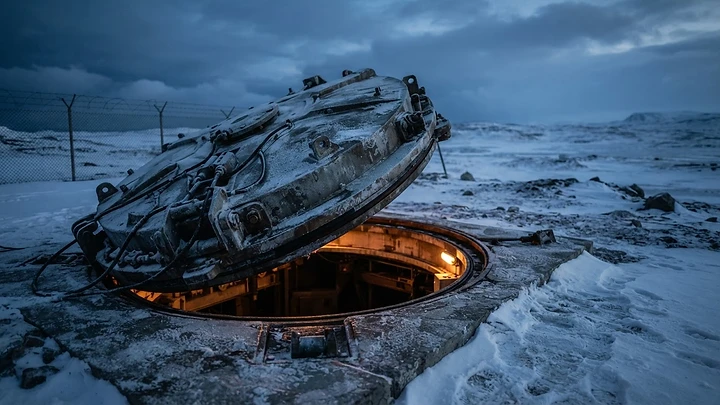
The shadow of Russian nuclear threats has once again loomed over the geopolitical landscape, sparking deep concern among chancelleries worldwide. In a period marked by profound instability in international relations, the deliberate use of nuclear rhetoric by Moscow is not merely a communication tactic; it is a foundational component of its defense and deterrence doctrine. The conflict in Ukraine, far from reaching a definitive diplomatic resolution, has served as a catalyst for the Kremlin's increasingly assertive posture toward the West.
The role of Russian nuclear threats in deterrence
Russian military doctrine explicitly outlines the use of atomic weapons in scenarios involving an existential threat to state sovereignty. However, geopolitical analysts note that in recent months, the boundary between territorial defense and political coercion has become increasingly blurred. By signaling the readiness of its strategic forces, Russia is essentially attempting to constrain the military support provided by foreign powers to its adversaries. The goal is to establish a zone of deterrence designed to prevent further, more direct involvement from NATO and its allies.
Dynamics of global tension and security
The current international security crisis reflects a fracturing of the order established after the Cold War. Several critical factors contribute to this volatile scenario:
- Suspension of arms control treaties: The withdrawal from or non-compliance with strategic agreements between Washington and Moscow has severely weakened formal communication channels.
- Arsenal modernization: Continuous investment in hypersonic missiles, capable of bypassing traditional defense systems, fundamentally shifts the global balance of power.
- Geopolitical instability: The rise of emerging powers and the formation of new military blocs make risk assessments significantly more unpredictable.
Impacts on strategic stability
Inflammatory rhetoric generates a ripple effect that extends far beyond European borders. The fear of a miscalculation or a breakdown in communication increases the pressure on global leaders to resume technical dialogues. However, pervasive mutual distrust makes any diplomatic breakthrough a complex challenge. According to experts, the real danger lies not only in the arsenal itself but in the dismantling of the safeguards that successfully prevented direct confrontations for decades.
In conclusion, monitoring the situation remains vital. As long as Russia’s nuclear threats are utilized as a tool for political bargaining, the international community will remain on high alert. Diplomacy, while slow and strained, remains the only viable instrument capable of preventing an escalation that crosses the threshold from rhetoric into the realm of the unthinkable.