UK Rejoining the EU: Why the Debate is Gaining Momentum
The possibility of the UK rejoining the EU is back on the political agenda. We analyze the economic impacts and the steep hurdles facing a potential reversal.
Nivagoo
Listen to this article
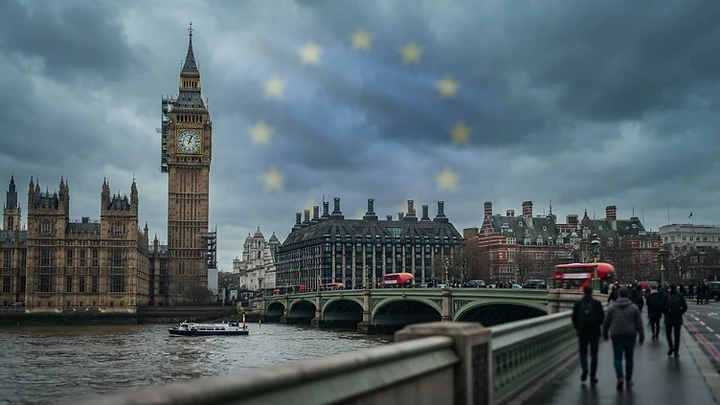
The Current Brexit Landscape and Economic Reversal
The conversation regarding the United Kingdom rejoining the European Union has transitioned from a fringe hypothesis to a central pillar of contemporary British politics. Years after the official departure, the tangible impacts of Brexit on the British economy have become starkly evident. These are manifested through persistent inflationary pressures, significant friction in foreign trade, and a noticeable decline in the attractiveness of the UK for foreign direct investment. The discourse surrounding a potential reversal is far from mere nostalgia; it is increasingly rooted in macroeconomic indicators that suggest deeper integration is essential for national stabilization.
Economic Impacts of Rejoining the EU on Trade
Since exiting the bloc, the British business sector has struggled under a complex web of customs red tape. Re-entry into the European Single Market would eliminate the non-tariff barriers that have drastically increased operational costs for small and medium-sized enterprises (SMEs). Furthermore, the City of London—the traditional engine of the national economy—urgently seeks legal predictability and unrestricted access to the continent. These elements, which were once the bedrock of London’s financial prowess, have been severely compromised by the current diplomatic configuration.
The Political Challenges of Reversing Brexit
While the economic arguments for a return appear robust, the path to rejoining the EU is fraught with profound internal political obstacles. The British party system remains deeply cautious. On one side, a significant portion of the public acknowledges the economic setbacks, yet on the other, there is a stubborn cultural and political resistance rooted in the concept of national sovereignty. Rebuilding this diplomatic bridge would require accepting terms mandated by Brussels, including the freedom of movement and the jurisdiction of the European Court of Justice—issues that were the fundamental pillars of the 2016 Leave campaign.
Negotiation Dynamics and the European Future
The future of this relationship depends heavily on how the European bloc views a potential British return. The European Union has undergone significant structural shifts since 2020, and any eventual reintegration would certainly not occur under the same privileged conditions the UK enjoyed previously. Likely points of contention include:
- The potential adoption of the Euro versus the retention of the British Pound.
- Continued control over territorial waters and fisheries policies.
- Mandatory regulatory harmonization that would limit British autonomy in emerging technology sectors.
Conclusion: An Uncertain Trajectory
The debate over returning to the European orbit will undoubtedly continue to shape the political agenda over the next decade. While empirical data suggests that integration is the most direct path toward robust growth, British politics remains caught between economic necessity and the lingering ideological legacy of 2016. The final outcome will ultimately depend on shifting public sentiment and how European institutions evolve to meet new global demands.
Leia também