Swiss Glaciers Facing Record Melting Amid Global Climate Crisis
Swiss glaciers are melting at record rates due to climate change. Explore the environmental consequences and why this is a warning sign for the entire planet.
Nivagoo
Listen to this article
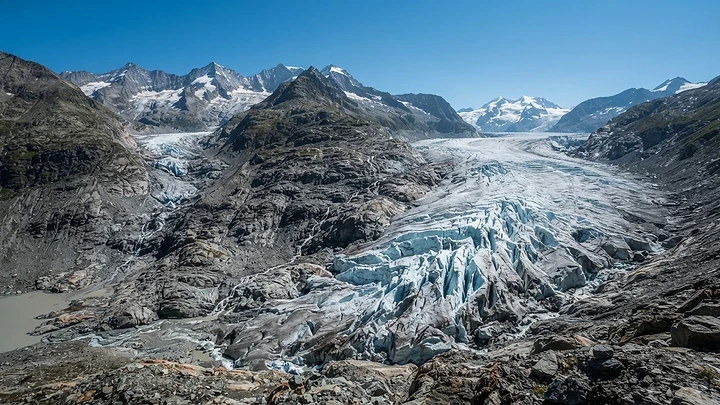
The Alarming Decline of Swiss Glaciers and the Climate Crisis
Climate change is no longer a theoretical projection; it is a visible, tangible reality reshaping the iconic Alpine landscape. In Switzerland, the accelerated melting of glaciers has become the most stark indicator of the climate crisis currently impacting our planet. Year after year, scientists have recorded unprecedented volumes of ice loss in the Swiss Alps, posing a direct threat to local biodiversity and the critical water security of a vast region of Europe.
This phenomenon, driven by global warming, is far from an isolated incident. Glaciers serve as massive, strategic freshwater reservoirs. As this ice reserves diminish, the hydrological cycle of rivers vital to the European continent is fundamentally altered, impacting everything from hydroelectric energy production and industrial processes to agriculture and municipal water supplies in major urban centers.
Why Does the Melting of Swiss Glaciers Matter to the World?
The melting of Alpine glaciers acts as a barometer for global climate health. As average temperatures rise, these glaciers lose their ability to reflect sunlight—an effect known as albedo. This loss of reflectivity accelerates local and global warming in a dangerous feedback loop that has climate researchers and international institutions deeply concerned.
The consequences of this process are multifaceted and severe:
- Altered River Flow: The reduction of perennial ice leads to extreme fluctuations in river levels, resulting in excessive flooding during spring thaw and severe droughts throughout the summer months.
- Loss of Biodiversity: Species uniquely adapted to extreme cold are losing their natural habitats, forcing desperate migrations or pushing them toward local extinction.
- Geological Risks: The thawing of permafrost—the soil that remains frozen year-round—causes significant slope instability, substantially increasing the risk of landslides and mountain collapses.
- Economic Uncertainty: Critical sectors, including winter tourism and regional agribusiness, are facing unprecedented volatility due to the breakdown of stable weather patterns.
The Future of Glaciers in an Era of Global Warming
The debate surrounding climate mitigation is centered on the urgent necessity to slash greenhouse gas emissions. While Switzerland has implemented rigorous sustainability policies, the ultimate fate of its glacial formations depends on a coordinated global effort. These glaciers are more than just a Swiss treasure; they are essential pillars of Europe's thermal equilibrium.
Historical records indicate that if current emission trajectories persist, the majority of smaller Alpine glaciers could vanish by the end of this century. The challenge now lies in adapting our social and environmental infrastructure for a world defined by reduced ice and increased water scarcity, preparing future generations for the reality of unavoidable climate adaptation.
In conclusion, preserving what remains of these ice giants demands immediate, tangible commitments. The climate crisis is a systemic, cross-border challenge, and the vanishing glaciers of the Swiss Alps stand as the most transparent symbol of the urgent need for a profound shift in how humanity interacts with the Earth's climate system.