EV Parts Guide: Maintenance and Replacement Essentials
Navigate the evolving landscape of electric vehicle maintenance. Learn how to source reliable EV parts and understand the shift in the global aftermarket.
Nivagoo
Listen to this article
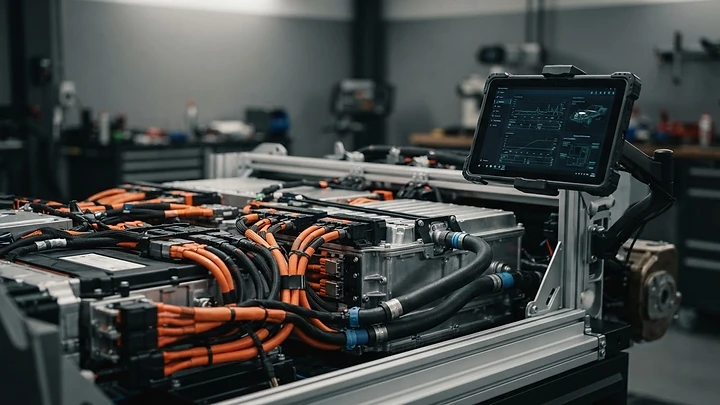
The global energy transition in the automotive sector is fundamentally redefining the aftermarket. For vehicle owners accustomed to traditional internal combustion engine (ICE) mechanics, the quest for electric vehicle (EV) components is shifting focus toward high-voltage electronics and complex thermal management systems.
Market Shift: What Happened The automotive industry is undergoing a structural transformation.
Data from Auto Negócio indicates that preventive maintenance costs for EVs are significantly lower than for combustion vehicles, as oil changes, fuel filters, and spark plugs become obsolete. However, as noted by InsideEVs, the 30% reduction in demand for traditional mechanical parts has forced manufacturers to redirect capital toward high-voltage components and electronic diagnostic software.
The Driver Behind Changing Demand Mechanical simplicity is the primary catalyst for this shift.
With fewer moving parts, the natural wear and tear that fueled traditional workshops has decreased. However, this gap is being filled by a new reality: the heavy weight of battery packs accelerates wear on tires and suspension components, creating a specific demand for parts designed to handle increased loads. Additionally, the electrification of fleets—accelerated by the influx of new global manufacturers—demands an immediate digitalization of automotive diagnostics.
How Maintenance Routines Have Evolved Preventive maintenance has migrated from mechanical check-ups to software-driven monitoring.
A frequently overlooked component, according to Midtronics, is the 12V auxiliary battery, which remains the heart of safety and electronic startup systems. A failure here can immobilize a vehicle just as effectively as an engine breakdown. Today, maintenance focuses on traction battery cell balancing, cooling system integrity, and the strategic replacement of tires specifically engineered for the high torque and mass of EVs.
Global Impact
The decline in demand for traditional parts is reshaping global supply chains, with a sharp drop in revenue for mechanical spares projected by 2040. Nations heavily dependent on combustion engine manufacturing are currently feeling the economic shock. Conversely, there is a forced migration of labor, requiring traditional mechanics to evolve into specialized automotive electricians capable of handling high-voltage systems and the inherent risks of lithium-ion battery management.
Future Trends to Watch
The standardization of parts for niche models and independent access to original components are the next major hurdles. As indicated by AUTODOC, trends point to a boom in marketplaces for charging accessories, such as wallboxes and adapters. Furthermore, digital diagnostics will eventually allow for "software parts" to be deployed, potentially fixing issues via over-the-air updates that previously would have required physical module replacement.
Opportunities for the Industry
With the EV maintenance market projected to reach significant valuations by 2030, workshops that invest in high-voltage training and advanced battery diagnostic tools will gain a competitive edge. The accessories market—specifically portable chargers and high-durability cables—presents an immediate opportunity for retailers and independent shops to bridge the service gap left by legacy OEMs.
Consumer Risks and Warranty Concerns
The most critical risk for owners today is the potential loss of manufacturer coverage. EVblog warns that using non-certified parts or attempting repairs at unauthorized facilities can void the extended warranties on expensive components like the traction battery and inverter. Moreover, the lack of clear regulations for independent shops creates safety risks for personnel handling high-voltage systems without proper Personal Protective Equipment (PPE) and professional certification.
Leia também