Is a Home EV Wallbox Worth the Investment? A Buyer’s Guide
Discover whether investing in a dedicated EV Wallbox is essential or if standard outlets suffice for your electric vehicle charging needs and safety.
Nivagoo
Listen to this article
The Professionalization of Home Charging
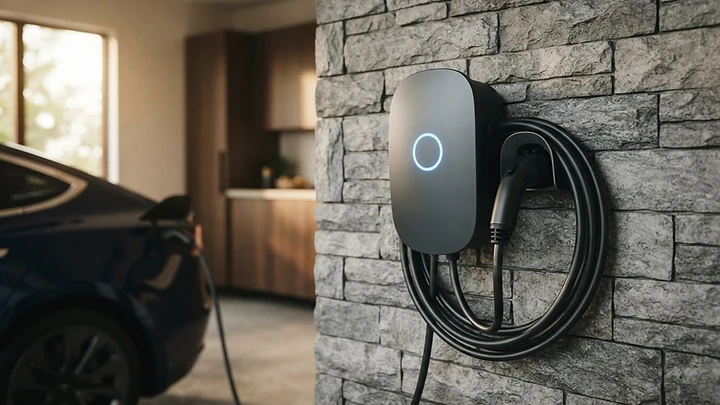
The electric mobility market has matured rapidly, shifting the EV Wallbox from a luxury accessory to a fundamental piece of home infrastructure. Unlike the portable trickle chargers often supplied with vehicles, a dedicated Wallbox provides constant, high-power delivery while adhering to rigorous electrical safety standards. The transition toward smart devices—equipped with connectivity and app-based load management—marks a new era in residential charging where efficiency and the protection of your home's electrical system are non-negotiable priorities.
Why It Matters: Security and Performance
Mass adoption of electric vehicles has exposed the fragility of common household outlets, which are designed for intermittent loads rather than the intensive, prolonged usage required by an EV. Wallbox units are essential because they feature internal protective circuitry that monitors temperature and current, minimizing the risk of overheating and fire hazards. The inherent inefficiency of standard wall outlets, which often causes thermal stress on wiring, has made the installation of a dedicated circuit the industry standard for those seeking to maximize battery health and home safety.
Evolution: Smart Connectivity and Load Management
The landscape of residential charging has changed drastically. Today, we are not just installing 'smart plugs,' but sophisticated systems capable of Dynamic Load Balancing (DLB). This technology ensures that charging an EV does not trip your home’s main breaker when other high-draw appliances are in use. Furthermore, modern chargers allow users to schedule charging during off-peak hours, optimizing electricity costs. Integration with residential solar PV systems is also becoming a reality, allowing owners to route surplus clean energy directly into their car’s battery.
The Global Impact of Home Charging
The implementation of certified home charging systems accelerates the electrification of the automotive fleet by mitigating 'range anxiety.' Globally, the standardization of these chargers facilitates the energy transition, allowing residential homes to function as vital nodes in a smart grid, reducing dependence on fossil fuels and optimizing energy consumption on a macro scale.
Estimated Cost Breakdown (Reference)
| Item | Estimated Cost | Notes | | :--- | :--- | :--- | | Equipment (Wallbox) | $500 - $1,500 | Varies by power output and smart features | | Professional Labor | $400 - $1,200 | Depends on electrical panel proximity | | Infrastructure/Permits | $200 - $800 | Regulatory and safety compliance requirements |
Note: Proper installation usually requires professional certification. Failure to comply with local building codes may void your home insurance policy in the event of electrical incidents.
Future Trends: The Power of Bidirectionality
The future of the Wallbox lies in V2H (Vehicle-to-Home) technology, where the electric car transitions from a simple consumer to a residential energy storage unit. During peak demand or power outages, the vehicle will be able to power the home, turning a vehicle charging investment into a significant asset for energy resilience.
Opportunities and Risks
The market is opening doors for energy efficiency consultancies and certified installers. However, the greatest risk remains amateur installation or inadequate wiring. For residents in apartment buildings or managed complexes, the challenge is often legal: approval processes for installing a private charger can take anywhere from 3 to 6 months, requiring patience and formal procedures that often block the immediate desire for electrification.