
Truckers' Crisis: The End of an Era on Brazil’s Highways
A moving tribute to a veteran trucker exposes the harsh realities and aging workforce threatening Brazil's critical logistics sector.
Nivagoo
Listen to this article
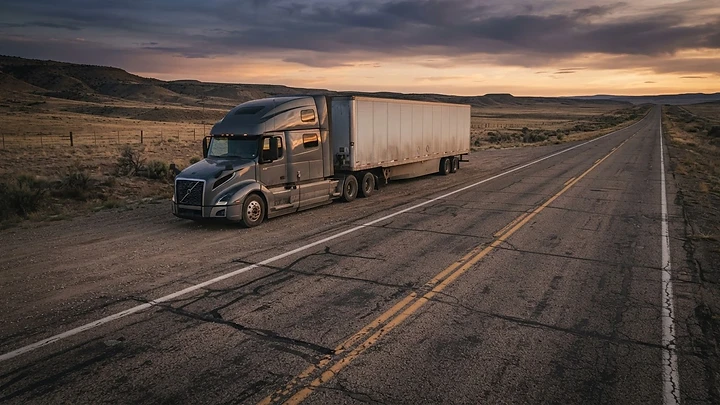
The recent tribute to a veteran of Brazil's highways was more than a moment of sorrow; it was a visceral reflection of the harsh reality faced by modern truckers. The event, which gathered colleagues in a farewell marked by sirens and respect, sparked deep reflections on the future of the profession. Data from the National Confederation of Autonomous Transporters (CNTA) points to a scenario of rapid aging and profound dissatisfaction, consolidating what experts call a succession crisis.
Amid the stories shared within cabin walls, the message is clear: the burden of the profession is becoming unsustainable for the next generation.
What is happening on the roads We are witnessing a structural shift in the profile of the Brazilian driver. Research, such as that presented on the Chamber of Deputies portal, reveals that the average age of the professional is rising, while the career's appeal plummets. The routine, characterized by long shifts, a lack of adequate rest stops, and increasing highway insecurity, has become fuel for discouragement.
According to Revista Caminhoneiro, in a sample of over a thousand interviewed drivers, physical and mental health are at their limit, worsened by the pressure of deadlines amidst the constant risk of cargo theft.
Why the professional crisis occurred
The degradation of safety and working conditions explains why the trucking profession has lost its traditional luster. According to analyses from the Federal Council of Social Work (CFESS), the trend toward independent contracting has exacerbated the legal vulnerability of workers. Furthermore, the lack of support infrastructure, mapped by the Na Mão Certa Program, makes rest a rare privilege.
The use of stimulants to meet quotas, a direct reflection of fatigue, is a tragic consequence of this vicious cycle of devaluation.
What has changed in the reality of road transport
The most significant change is the definitive break in the family legacy of the roads. Exclusive data indicates that 86% of truckers state that none of their children intend to follow in their footsteps. The pride of carrying the nation's freight has been replaced by the fear of violence and economic frustration, highlighted by the fact that 52% of drivers do not receive the mandatory toll reimbursement, as noted by Mundo Sindical.
What is the global impact of the driver shortage Brazil faces an imminent risk of a 'logistical blackout. ' With 80% of cargo transported by road, the 22% reduction in the number of licensed drivers, based on Senatran data analyzed by UOL, threatens national supply chains and fuels inflation. The logistical inefficiency caused by the aging of the category makes freight more expensive and the system more fragile against global supply crises.
What future trends can be inferred Dependence on tracking and monitoring systems will become the new standard. However, technology creates a paradox: while it offers security against theft, it increases the psychological pressure on the driver, who feels surveilled 24/7. Trends point to a sector attempting to overcome the lack of human labor through automation, although the viability of fleet renewal for autonomous drivers remains an unresolved economic bottleneck.
What opportunities arise with modernization The scenario demands a revolution at rest stops.
Developing smart infrastructure focused on safety, health, and connectivity is the greatest opportunity to restore dignity to the profession. Qualification programs focused on onboard technology could attract young talent, provided they are accompanied by public policies that ensure financial viability for truck renewal, allowing autonomous drivers to remain competitive in an increasingly digital market.
What risks arise from inaction
The main risk is an unchecked increase in serious accidents caused by fatigue, in addition to the collapse of essential production chains. The lack of professional renewal, combined with devaluation, could lead to a scenario where road transport becomes financially unsustainable, raising costs for the final consumer and creating logistical deserts in strategic regions of the country. Read more about the driver satisfaction index on Garagem360.