Hidden Dangers: The Rising Crisis of Tainted Performance Supplements
Performance supplements often hide dangerous, banned substances. Discover the health risks behind these unregulated products and how to protect yourself.
Nivagoo
Listen to this article
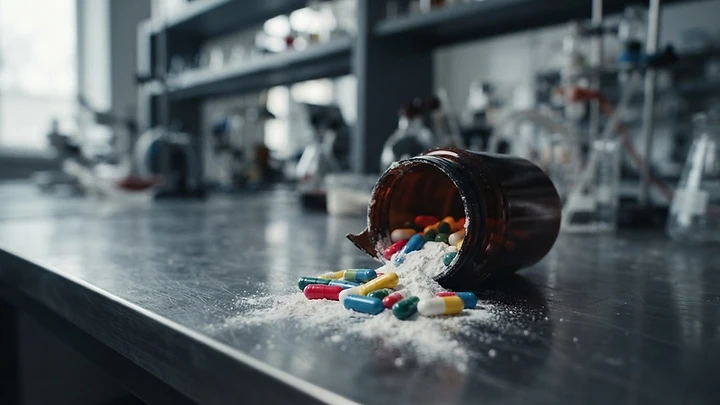
The high-performance supplement industry is facing a crisis of confidence of unprecedented proportions. While gym-goers and athletes chase rapid fitness results, the proliferation of products contaminated with synthetic stimulants and anabolic steroids has put countless lives at risk. Unlike pharmaceutical drugs, these products frequently hit store shelves without any pre-market safety or efficacy review by regulatory bodies like the FDA.
The Current Reality Recently, the severity of this issue reached alarming statistical levels.
A 2025 study by Sport Integrity Australia revealed that 35% of tested supplements contained WADA-banned substances, despite no mention on their labels. This "silent adulteration" exposes fitness enthusiasts to grave risks, including cardiac arrhythmias, hypertension, and liver toxicity, as highlighted by researchers like Dr. Pieter Cohen of Harvard Medical School. The ease of online shopping means products that have received FDA warning letters continue to circulate; data shows that 29% of these flagged items remain available years after the initial alert.
Why This Is Happening The market operates within a dangerous regulatory loophole.
Unlike medications, the burden of proving that a supplement is unsafe often falls on the regulator only after the product has reached the public. Compounded by aggressive influencer marketing and an insatiable demand for "explosive gains," the industry creates an environment ripe for the introduction of unapproved, experimental substances. This structure allows brands to prioritize profit over safety, fostering a cycle of misinformation that harms the end user.
What Has Changed Public perception regarding the purity of these compounds is shifting.
Mounting evidence of contamination has fueled a surge in demand for third-party certifications, such as those provided by NSF or Informed Choice. Consumers are now more aware of the risk of accidental doping, leading to increased pressure on companies for transparency. Regulatory scrutiny is also intensifying, with agencies issuing risk communiqués more frequently as it becomes clear that self-regulation in the sector has failed.
The Global Impact Supplement adulteration is a global public health crisis.
The impact extends beyond individual harm, placing a heavy burden on public health systems to treat adverse events while undermining market credibility. Elite athletes risk career-ending bans due to tainted products, while the average consumer struggles to trace the root cause of sudden health issues.
Future Trends Pointing to Technical Traceability The future likely demands mandatory technical traceability.
Technologies like blockchain are emerging as tools to guarantee the provenance of ingredients from raw materials to final packaging. Furthermore, we expect the implementation of more sophisticated analytical methods capable of detecting banned substances at the parts-per-billion scale, forcing manufacturers to either elevate their standards or face market exclusion.
Emerging Opportunities There is significant opportunity for companies that prioritize radical transparency.
Brands investing in independent laboratory testing and external certification are gaining a competitive advantage with an increasingly informed public. Additionally, the tech sector focusing on certification and ingredient tracking is expanding, offering solutions for real-time monitoring of adverse events.
Persistent Risks
The risks remain high as long as legislation lags behind the speed of chemical innovation. The imminent danger is the entry of even more potent, less known substances into the market, which complicates the work of health oversight agencies. Furthermore, the reputation of legitimate brands faces collateral damage through association with the underground "pre-workout" market unless a clear distinction is established between certified and unregulated products.
Leia também
Sources and references
- FDA — Primary data on warning letters, product recalls, and banned substances in supplements
- WADA — Official documentation on the Prohibited List and substance ban criteria
- Anvisa — Risk communiqués and product marketing bans
- NIH (PubMed) — Peer-reviewed studies on cardiovascular risks and hepatotoxicity
- Sport Integrity Australia — Technical reports on doping substances in off-the-shelf supplements
- Dr. Pieter Cohen (Harvard Medical School) — Academic research on experimental stimulants
- The Guardian — Investigative reporting on supplement dangers
- Brazilian Society of Cardiology (via Medscape) — Guidelines on cardiovascular risks