
Samsung Galaxy S25 Ultra Review: Performance, Design, and Trade-offs
The Samsung Galaxy S25 Ultra arrives with the Snapdragon 8 Elite and a refined build. We explore the tech, the controversial S-Pen changes, and the impact.
Nivagoo
Listen to this article
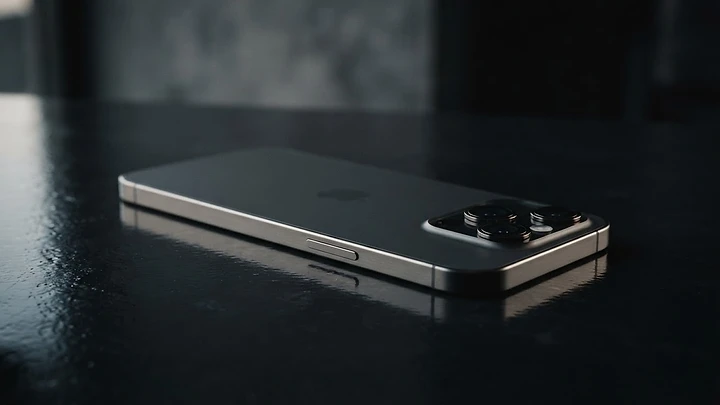
The premium smartphone market has just seen a significant evolution with the release of the Samsung Galaxy S25 Ultra. As the latest standard-bearer for the South Korean giant, this device doesn't aim to reinvent the wheel, but rather to refine every aspect of what was already considered the gold standard of the Android industry. Powered by the new Snapdragon 8 Elite for Galaxy, Samsung is reaffirming its commitment to raw performance and thermal efficiency.
What happened with the S25 Ultra
Samsung officially launched the Galaxy S25 Ultra, maintaining the signature titanium frame while implementing a crucial aesthetic and ergonomic shift: the transition to a completely flat, 6.9-inch display. While the camera hardware remains largely familiar, the standout addition is the upgraded 50MP ultrawide sensor. However, as noted by GSMArena, a silent change has shocked power users: the removal of Bluetooth connectivity in the S-Pen, effectively eliminating the popular Air Actions feature.
Why it happened: The pursuit of thermal efficiency
The decision to strip Bluetooth from the stylus, while controversial, is tied to internal optimization. As revealed by Droid Life, Samsung has expanded the internal vapor chamber by 40%. To accommodate this massive heat sink and the new components required for the Snapdragon 8 Elite, internal space savings were prioritized, ultimately sacrificing the S-Pen's auxiliary battery. Furthermore, the efficiency of the 3nm chip aims to support the seven years of software updates promised, as detailed by PhoneArena.
What changed in Samsung's new flagship
The changes are a blend of technical refinement and drastic functional choices. The flat display improves usability with tempered glass screen protectors, but the loss of remote camera shutter functionality via the S-Pen changes the workflow for enterprise users. In terms of performance, Android Headlines notes that the titanium construction is now more durable, cementing the device as a robust tool for productivity, despite lingering questions about the actual utility of AI features discussed by CNET.
What is the global impact of the Galaxy S25 Ultra
The S25 Ultra sets the rules for the ultra-high-end segment by maintaining a premium $1,299 price point. This pricing reinforces the brand's reliance on the Qualcomm supply chain, but also signals to the market that longevity through software updates is the new competitive battlefield. Globally, the device defines how Android flagships should perform under intense processing loads.
What future trends can be inferred
The transition toward massive cooling systems and the integration of generative AI directly into local hardware are the next frontiers. The trend suggests that Samsung will continue to prioritize thermal performance to sustain on-device AI, even if it means moving away from niche features like the S-Pen's Bluetooth functionality.
What opportunities are emerging
The productivity niche gains a device with superior thermal stability for mobile video editing and high-end gaming. Developers now have a new hardware benchmark to test resource-heavy applications, taking full advantage of the efficiency gains of the Snapdragon 8 Elite.
What are the risks of the launch
The biggest risk is the dissatisfaction of the loyal Note/Ultra user base that relied on S-Pen remote controls. Furthermore, long-term battery degradation with an incredibly powerful 3nm processor remains an unknown factor that will only be clear after 12 months of heavy, daily use.