Nintendo Switch 2 Lite: Is It Worth the Wait for 2027?
Rumors suggest a 2027 arrival for the Switch 2 Lite. We analyze if it's worth the wait or if you should invest in the current $499 flagship model today.
Nivagoo
Listen to this article
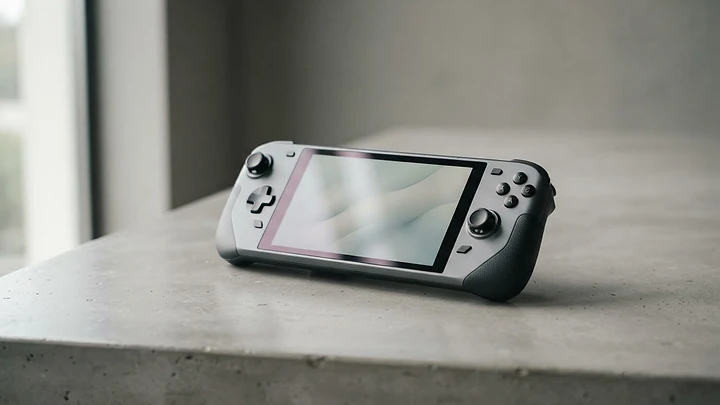
The handheld gaming landscape is currently undergoing a significant transition. With the Nintendo Switch 2 firmly established since 2025 and its recent price adjustment to $499, gamers are facing a dilemma: is the rumored Nintendo Switch 2 Lite truly worth the wait? Persistent industry buzz points toward a 2027 release, forcing consumers to weigh the high-end performance of today’s hardware against the promise of a more affordable, compact device.
The Evolution of the Console Market
The Nintendo ecosystem is hitting a new phase of maturity. While the premium Switch 2 model has secured its spot at a higher price point, speculation surrounding a 'Lite' version has reached a fever pitch. According to reports from Inkl, the development of a streamlined, cost-effective hardware revision for 2027 is a calculated market strategy rather than mere gossip.
The looming question remains whether this iteration will retain TV output capabilities—a must-have for many players—or pivot strictly to handheld-only play.
Why the Strategic Shift Occurred Nintendo is clearly focused on extending its hardware lifecycle.
BGR suggests that rising production costs necessitated the higher price tag for the Switch 2, leaving a gaping hole in the entry-level segment. For Nintendo, maintaining an accessible entry point is vital. The solution lies in smart engineering: reducing costs without compromising the brand's identity or gaming experience.
Optimized components are the cornerstone of this shift.
Technical Changes Under the Hood
The breakthrough in lowering costs for the Lite model appears to be its silicon. As detailed by Android Headlines, shifting to an 8nm Samsung chip (8LPU+) is the key to reducing the final retail price. This technological pivot aims to distance the device from the premium components that drive up costs in the flagship model.
As noted by Leak.pt, the customized Nvidia Tegra T239 architecture offers performance that, even in scaled-back versions, outperforms the price-to-performance ratio of equivalent handheld PCs.
Global Market Impact Nintendo’s strategy sets the pace for the entire portable gaming sector.
The potential absence of detachable Joy-Cons—a recurring point of debate—raises questions regarding full compatibility with motion-sensor-heavy titles. Globally, consumers have stalled their hardware purchases, opting to wait for the 2027 release. This creates a ripple effect, driving up demand in the secondary console market and shifting holiday sales projections.
Future Trends and Longevity Focus rests heavily on software-driven longevity.
With the skyrocketing costs of AAA development mentioned by CBR, Nintendo is doubling down on backward compatibility and high-quality remakes. The Switch 2 Lite is poised to serve as the perfect gateway into this growing library of modern classics and next-gen titles.
Emerging Opportunities The biggest win here is market reach.
A Lite model effectively captures the audience that wants to experience 2026 and 2027 releases but cannot justify the $499 investment. For Nintendo, this is an opportunity to solidify its user base before the next generational shift, ensuring software remains the primary revenue driver, as highlighted by President Shuntaro Furukawa via Nintendo Wire.
Potential Risks The primary risk is market fragmentation.
If the Switch 2 Lite displays a significant performance gap compared to the 2025 flagship, Nintendo risks confusing its customer base and facing criticism over the quality of 'heavy' games. Striking the right balance between cost-savings and raw performance will be the deciding factor in the success of this upcoming release.