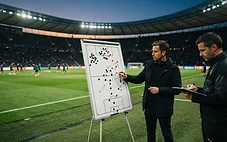
Filipe Luís at Flamengo: Tactics, Ousting, and a Legacy at Risk
Filipe Luís’s tenure at Flamengo redefined the balance between philosophy and results. Explore the internal crisis, his sudden exit, and his tactical impact.
Nivagoo
Listen to this article
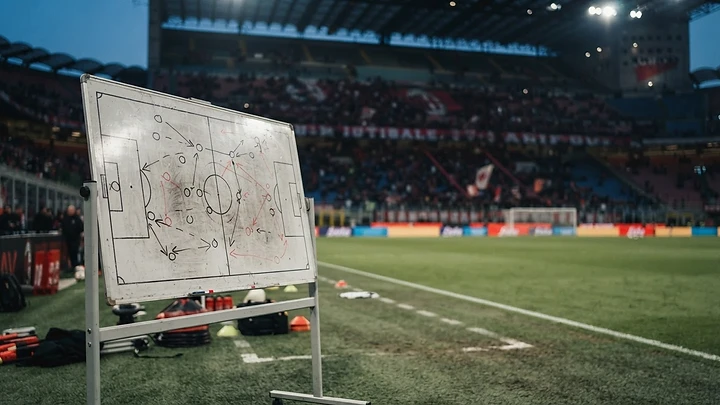
The trajectory of Filipe Luís at Flamengo stands as one of the most compelling chapters in the recent history of Brazilian football. By becoming only the ninth person in history to win the Copa Libertadores as both a player and a coach, according to records from FIFA, Luís did more than solidify his status as a club icon. He proved that his specific methodology—detailed in in-depth analyses like those from Coaches' Voice—was capable of successfully translating from the pitch to the dugout.
However, his dismissal in March 2026 remains a watershed moment that continues to spark intense debate regarding the longevity of project-based management in South American football.
The Sudden Exit In a stunning turn of events, the coach was relieved of his duties immediately following a dominant 8-0 victory over Madureira. While the result should have been a moment of collective euphoria, it served merely as the backdrop for a boardroom decision made behind closed doors. Behind-the-scenes reports indicate that although the scoreline was emphatic, the board had already signaled that the current management model was reaching a point of exhaustion.
The transition from Filipe Luís's staff to Leonardo Jardim’s team was far from fluid, marking a sharp pivot in leadership style and communication with the squad.
The Catalyst for Change
The firing served as the climax of a deep-seated clash between the former player’s rigid tactical methodology and the board's perceived need for situational flexibility. As noted in strategic reports from Flamengo RJ, the leadership was seeking a more adaptable profile, while Luís remained steadfast in his commitment to set patterns of possession and spatial positioning. The blowout win over Madureira failed to save his job because the criteria were not based on a single result, but rather on the perceived sustainability of a methodology that, in the eyes of the directors, was beginning to face internal resistance within the dressing room.
The Shift in Identity Statistically, the shift is evident when comparing performance under both regimes.
While Luís prioritized defensive structural integrity—maintaining a remarkably low goals-against average—Leonardo Jardim’s model has focused on immediate point efficiency. Data published by O Globo reveals that Jardim boasts superior offensive metrics. Yet, the contrast with his predecessor's tactical organization raises questions about whether the trade-off was worth the risk of losing the identity Luís forged—a team he described as having a soul, competitive, and battle-hardened.
Global Impact
The departure of Filipe Luís reverberated far beyond the borders of Rio de Janeiro. His rising stock in the European market, particularly following his appointment at Monaco, establishes the former Flamengo manager as a top-tier strategist on the international radar. This episode has become a primary case study for how elite former athletes manage the transition to coaching and how the pressures of instant gratification can prematurely derail tactical innovation.
Future Trends
The Brazilian game is currently caught in a tug-of-war between proponents of "authorial philosophy" and adaptive "chameleon" managers. The instability that followed the icon’s exit suggests that Flamengo may face ongoing identity crises. The fanbase, which maintains a deep emotional connection to Luís as reported by Lance!, is proving resistant to pragmatic models that lack the aesthetic ambition that Luís demanded.
Opportunities and Risks Ahead Filipe Luís now has the opportunity to prove his methodology in Europe, where the timeline for project development is typically more forgiving. For Flamengo, the challenge lies in recalibrating their football department to determine if their chosen path, while effective in the short term, compensates for the alienation of the historical identity solidified during the Filipe Luís era. The greatest risk remains a total fracture between management and the supporters.
Should Leonardo Jardim’s performance dip, the shadow of Filipe Luís will loom large over Gávea, creating an increasingly hostile environment. The burning question remains: would Flamengo be more successful today had they maintained the rigidity of their idol, or the versatility of their current command? Only time—and perhaps a future return—will tell.