2026 World Cup: Setting the New Standard for Global Mega-Events
The 2026 World Cup redefined football with its 48-team format and record revenues. Explore the economic impact, environmental legacy, and the future of sport.
Nivagoo
Listen to this article
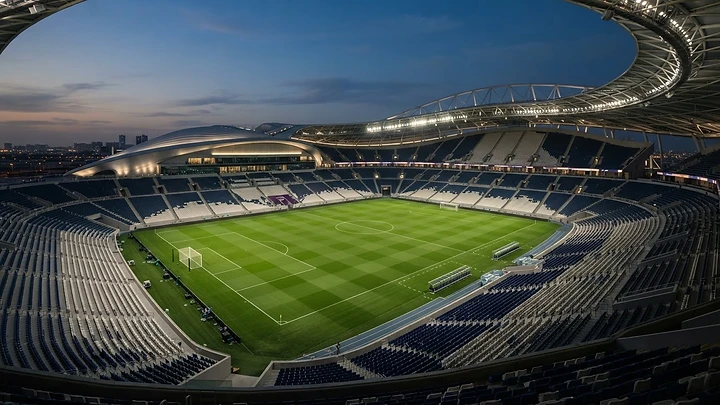
What happened at the 2026 World Cup
The 2026 World Cup represented a true turning point in sporting history as the first edition to feature 48 teams, organized into a sprawling format of 104 matches. Hosted jointly by the United States, Canada, and Mexico, the tournament leveraged North America's vast infrastructure to anchor the event, with the opening match in Mexico and the grand final hosted in the New York/New Jersey area. According to FIFA, this expansion was specifically engineered to maximize the global reach of football, though it presented an unprecedented logistical challenge for all involved.
Why the 2026 World Cup took this shape
The governing body's decision was driven by an urgent need to maximize revenue and promote global inclusion. The massive capacity of North American stadiums, combined with the implementation of dynamic pricing, led to an unprecedented $5 billion in ticket sales alone. Sports economists have noted that while the direct financial return was astronomical, the operational burden on local governments was mitigated by utilizing existing world-class arenas, a significant departure from previous tournament hosting models.
Changes in the tournament structure
The most notable shift was the increased operational complexity. With more teams participating, BBC News Brasil highlighted the introduction of mandatory three-minute hydration breaks. While officially framed around athlete welfare, these pauses became valuable windows for commercial advertising, underscoring the event's intensive monetization. The game distribution model across 16 different host cities also forced a complete overhaul in travel and logistics management for both fans and teams.
The global impact of the 2026 World Cup
The environmental impact remains the most debated topic of the tournament. The logistical demand of air travel between 16 cities spread across three massive countries created a significant carbon footprint. However, the event also acted as a catalyst for diplomatic cooperation. As noted by Serasa Experian, the economic impact resonated globally, with broadcast schedules optimized to maximize viewership, solidifying football as a premium global consumer product.
Future trends to infer
The primary trend emerging from this event is the consolidation of multi-nation bids as the only viable path to host mega-events, avoiding the wasteful construction of white-elephant infrastructure. Dynamic pricing, successfully utilized in 2026, is expected to become the industry standard for all FIFA events, prioritizing revenue maximization over democratic access—a move that raises valid concerns regarding the exclusion of traditional, grassroots fans.
Opportunities arising from the 2026 World Cup
Nations with less established footballing traditions now possess a 'blueprint' for organizing large-scale events. Furthermore, the diversification of revenue streams, such as exclusive VIP experiences and high-tech hospitality packages, has created a lucrative market for sports-tech firms. The financial success of the 2026 edition continues to attract major investors who view global mega-events as the ultimate marketing platform.
Risks for the future of the sport
The most critical risk remains the potential dilution of technical quality due to the expansion to 48 teams, which may result in matches lacking competitive appeal. Additionally, there is the growing concern of fan fatigue and physical stress on athletes, who are now subjected to increasingly dense calendars. Accessibility is the biggest social friction point: by driving up ticket prices, the event risks transforming football from a populist sport into an elite entertainment tier.
-
- How do you view the impact of expanding the World Cup to 48 teams? Do you think the sport has lost its popular essence? Share your thoughts in the comments below!
Sources and references
- FIFA — 2026 World Cup host cities, dates, and essential information
- CNN Brasil — FIFA hits record $5B in ticket sales, reports suggest
- BBC News Brasil — Criticisms of the new 48-team format
- G1 — The new 104-match format breakdown
- Serasa Experian — Complete coverage of the 2026 World Cup
- DW — Six key facts about the 2026 World Cup