Best Cars to Buy in 2027: Maintenance and Efficiency Guide
Navigate the 2027 auto market by balancing energy efficiency, maintenance costs, and market depreciation. Make an informed choice for your next vehicle.
Nivagoo
Listen to this article
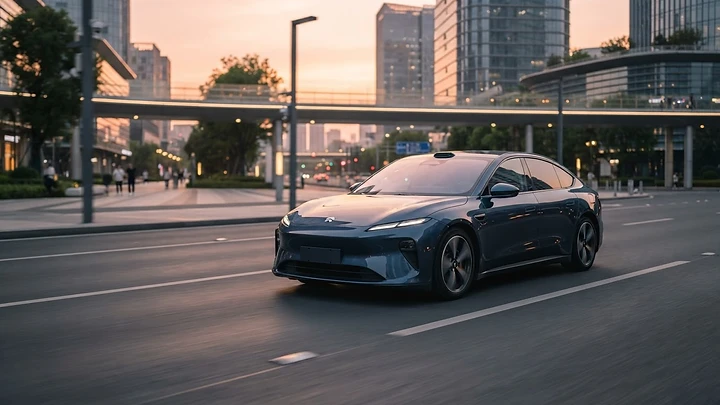
The 2027 automotive market marks a definitive turning point for global consumers. Searching for the best cars to buy in 2027 is no longer just about fuel economy; it is about grasping the deep technological complexity that now defines modern mobility. With the consolidation of energy efficiency metrics through megajoules per kilometer (MJ/km), energy efficiency has become the gold standard for comparison, forcing manufacturers to accelerate electrification efforts significantly.
What happened in the automotive market
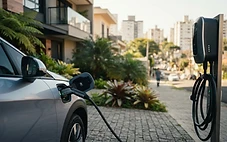
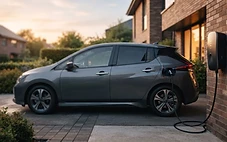
The transition to electrification is no longer a niche pursuit; it has become the industry standard. As pointed out by Motor1, the diversity of powertrain technologies—HEV, MHEV, and full EVs—requires buyers to understand critical differences. While mild hybrids use 48V systems to reduce the load on internal combustion engines, plug-in hybrids require specific infrastructure and careful management of their battery packs.
Why this paradigm shift occurred
The urgent need to meet global emission targets, combined with volatile fossil fuel prices, has shaped current demand. The sector has seen the mandatory integration of Advanced Driver Assistance Systems (ADAS) in entry-level models, raising safety standards but also increasing the complexity of repair shops, which must now contend with V2X and SDVs (Software Defined Vehicles).
What changed in maintenance and economy
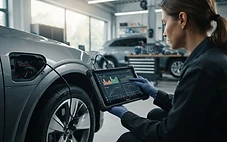
Maintenance has shifted from purely mechanical to predominantly electronic. Over-the-Air (OTA) connectivity has reduced dealership visits for software tweaks, but it has simultaneously increased the cost of repairs for sensors and cameras embedded in ADAS packages. Below is a comparative estimate of ownership costs for 2027:
| Category | Estimated Consumption | Maintenance (3 years) | 3-Year Depreciation | | :--- | :--- | :--- | :--- | | 1.0 Manual | 12.5 km/l | $750 | 18% | | Mild Hybrid | 18.0 km/l | $1,050 | 22% | | Electric (BEV) | 0.8 MJ/km | $580 | 28% |
Note: Figures are estimates based on market averages and may vary by region and intensive use.
The global impact
The industry is rapidly aligning with international standards. Autoesporte highlights that manufacturers like Renault and Caoa Chery are investing heavily in the domestic production of hybrids—a move that democratizes access to technology previously reserved for premium models.
Future trends to infer
Volkswagen is leading a radical change, aiming to reduce vehicle development lifecycles from 52 to just 18 months by late 2027. Concurrently, the focus on fuel-efficient cars in 2027 is accelerating the obsolescence of low-efficiency internal combustion models.
Emerging opportunities
For consumers, the opportunity lies in the entry-level used car market, which now features robust safety systems. For the service sector, retraining labor for high-voltage system diagnostics and automotive software is the new frontier for investment.
Emerging risks
The primary risk lies in the volatile depreciation of first-generation electric vehicles and the cost of replacing batteries outside of warranty. Furthermore, inflationary pressure driven by onboard technology can make post-collision repair costs prohibitive for models without comprehensive insurance.
Disclaimer: The 2027 automotive market is highly volatile. Always consult the owner's manual and verify recall histories on official manufacturer portals before purchasing.