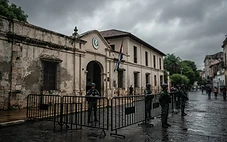
Ueno Bank Crisis: The Collapse That Shook Paraguay to Its Core
The intervention in Ueno Bank has sparked a political firestorm and financial instability. Learn how affected customers can navigate the recovery process.
Nivagoo
Listen to this article
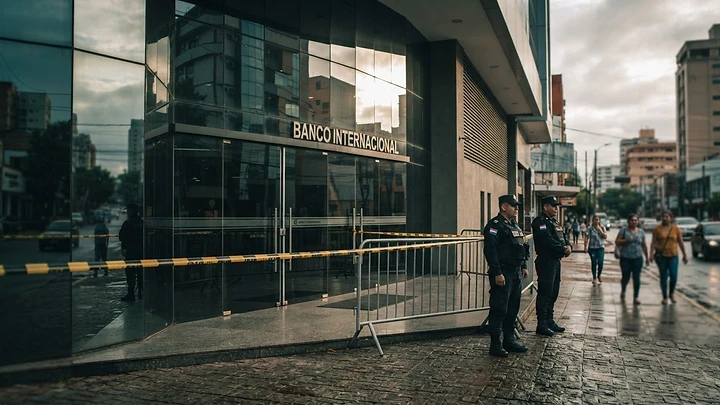
The recent collapse of Ueno Bank, which forced an intervention by the Central Bank of Paraguay (BCP) due to systemic insolvency, has become a defining moment of instability in Latin America. The fallout has not only frozen the assets of over 3 million customers but also ignited an unprecedented political crisis, resulting in the removal of President Santiago Peña. For international investors and residents in the country, the current scenario requires extreme caution and a diligent approach to navigating official recovery channels.
What happened to Ueno Bank
The institution’s collapse was preceded by rapid digital expansion that masked deep structural vulnerabilities. The intervention by the Central Bank occurred after auditors discovered that the bank’s balance sheet was inflated by toxic assets. As the financial sector scrambled, political repercussions escalated rapidly, culminating in the impeachment and arrest of Santiago Peña, marking a radical shift in Paraguayan governance. For depositors, the immediate account freeze halted vital cash flows, including IPS pension disbursements and essential e-commerce transactions.
How it happened: The mechanics of fraud
Investigations revealed that the bank utilized triangular operations with Vinanzas S.A. to window-dress non-performing loans. This accounting engineering allowed the bank to simulate solvency before regulators by offloading 'rotten' credit portfolios to companies within the same economic group. This practice bypassed regulatory standards and created artificial growth that, once exposed, rendered insolvency irreversible.
What has changed and the payment schedule
The financial system is currently under an emergency regime. Customers may seek support from the Deposit Guarantee Fund (FGD), which provides limited protection. Below is a summary of the current recovery conditions:
| Category | Compensation Details | | :--- | :--- | | FGD Cap | Up to 228 million guaranis | | Priority Criteria | Customers with no outstanding debts | | Access | Provisional accounts opened by the BCP |
For amounts exceeding the FGD cap, the outlook remains uncertain, contingent on the judicial liquidation of remaining assets with no defined timeline for completion.
The global impact
The collapse has cast a shadow over neobank regulations across the region. The institutional instability in Paraguay has triggered risk aversion among foreign investors. The impact on international residents and cross-border workers, who relied on the system for remittances and basic payments, is severe, creating a confidence vacuum that is even affecting the exchange rate between the guarani and foreign currencies.
Future trends and opportunities
Regulators are expected to impose significantly stricter oversight on fintechs across Latin America. Traditional financial institutions, characterized by more robust balance sheets and physical infrastructure, now have a unique opportunity to capture a customer base disillusioned by the fragility of purely digital banks.
How to protect your international investments
To avoid similar risks, investors must prioritize geographic diversification and verify the credit ratings of their chosen institutions. Never concentrate your wealth in a single digital account in jurisdictions with low regulatory transparency. Utilize platforms that operate with robust deposit insurance and always perform due diligence on the historical stability of the institution.