
PDRN Serum: The New Gold Standard in Regenerative Skincare?
Is PDRN serum the real deal for skin rejuvenation? We dive into the science, regulation, and efficacy of the salmon-derived powerhouse taking over beauty.
Nivagoo
Listen to this article
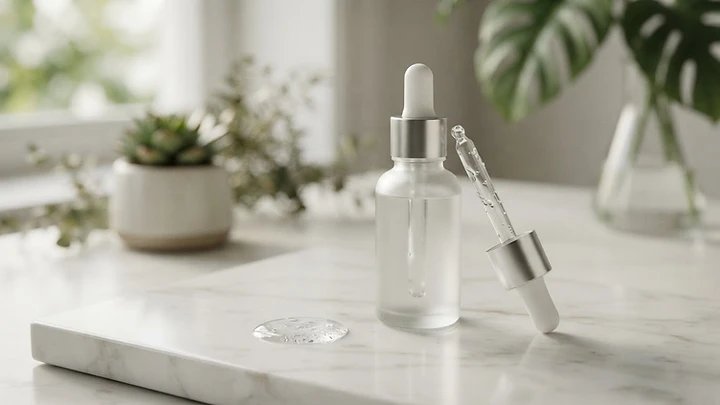
The Rise of PDRN in Dermatology
PDRN (polydeoxyribonucleotide) has rapidly become the star of regenerative aesthetics. Once strictly limited to clinical injectable procedures for tissue repair, this active has made a successful transition to topical formulations. The PDRN serum is now a staple in high-performance skincare, promising results that go beyond surface-level hydration by interacting directly with cellular signaling. Derived from salmon DNA fragments, this shift from clinical-only usage to accessible skincare reflects a global movement toward biologically intelligent, less invasive anti-aging solutions.
The Science Behind the Glow
The popularity of PDRN isn't just clever marketing; it is rooted in a clear biological pathway: the activation of the adenosine A2A receptor. As highlighted by studies from the Mine Clinic, this interaction stimulates fibroblast activity, accelerating collagen synthesis and repairing the extracellular matrix. Unlike traditional actives that offer a temporary, superficial radiance, PDRN acts as a legitimate tissue repair agent. It has become a cornerstone for those looking to progressively diminish fine lines and improve overall skin texture.
Topical vs. Injectable: What You Need to Know
A critical distinction lies in delivery. While international markets frequently utilize PDRN in clinical injectables, regulatory landscapes in many regions—including Brazil—strictly govern PDRN for topical use. This has pushed the industry to innovate in permeation technology. Penetrating the skin with high-molecular-weight actives is a significant technical hurdle; without advanced drug delivery systems, such as the microneedling combinations discussed by Revista Tópicos, the efficacy of a serum can be limited. It is essential to manage expectations: a topical PDRN serum is a powerful maintenance tool, but it does not replace the deep-tissue impact of a professional injectable procedure.
Global Impact of the Regenerative Trend
The surging demand for K-Beauty, where PDRN is already a gold-standard retail product, has led to a global standardization of regenerative protocols. The societal impact is clear: beauty standards are shifting away from the 'over-filled' aesthetic toward a 'healthy skin' model that prioritizes repair and long-term health. Economically, this has caused a massive spike in demand for high-purity raw materials, fueling further R&D in regenerative cosmetics.
Future Trends: What Lies Ahead
The future is hyper-personalization. We anticipate the integration of exosomes—tiny extracellular vesicles that transmit repair signals to cells—to be the next evolution of PDRN-based products. Research suggests that the synergy between these biological communication agents and PDRN will unlock results that were previously unreachable with isolated formulations.
Opportunities and Market Risks
The current market presents a golden opportunity for high-stability, high-concentration PDRN serums. However, a significant risk remains: market saturation with low-concentration products measured in parts per million (ppm). These often fail to provide tangible results, leading to consumer frustration. While PDRN is generally well-tolerated by sensitive skin due to its biological compatibility, the lack of standardized global benchmarks for minimum effective concentrations means consumers must remain cautious and seek professional guidance.
Final Verdict: Is PDRN Serum Worth It?
For those seeking a preventative and regenerative boost, PDRN serum is a highly valuable addition to any routine.
- Pros: Potent collagen stimulant, excellent tolerance for sensitized skin, and aids in rapid skin barrier recovery.
- Cons: Higher price point due to extraction complexity, results require consistent long-term use, and performance relies heavily on the quality of the delivery technology.
- Verdict: Best for early signs of aging or post-procedure maintenance (such as after laser therapy). It is not a replacement for medical-grade injectables targeting deep-set wrinkles.
Note: Always consult with a board-certified dermatologist before incorporating biotechnology-derived actives into your routine, especially if you have a history of skin allergies.