
Minimalism: How to Simplify Your Routine and Actually Save Money
Discover how the minimalist lifestyle transcends mere aesthetics, focusing on reducing stress and boosting financial efficiency for a more balanced life.
Nivagoo
Listen to this article
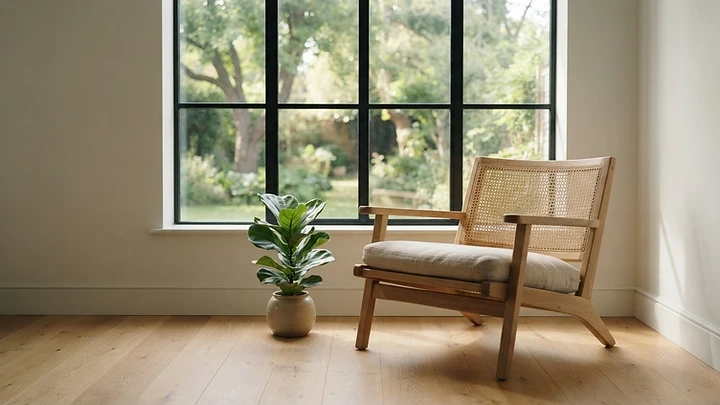
Minimalism has evolved from a niche interior design trend into a global wellness movement. Far from the common misconception that it is simply about owning fewer things, minimalism is a deliberate decision to scale back consumption to prioritize personal values. Research published in the International Journal of Applied Positive Psychology demonstrates that this practice is directly correlated with greater autonomy, competence, and mental space, effectively alleviating the stress associated with the constant "decision fatigue" of modern life.
The Evolution of Minimalism Minimalism has transitioned from a design aesthetic to a deeply researched lifestyle movement. What was once dismissed as empty rooms and white walls is now understood by science as a vital tool for psychological health. Scholars at WIREs Climate Change reviewed 27 studies confirming the emotional benefits of the practice.
However, they caution that the correlation between minimalism and a reduction in carbon emissions remains complex, as it is heavily dependent on individual behaviors such as travel habits and residential choices.
The Trigger for Simplification
The surge in consumerism, paired with the visual and mental pollution of the modern era, has created a natural counter-movement. Domestic clutter, as analyzed by Frontiers in Sustainability, acts as an invisible load that drains mental energy. People are increasingly seeking autonomy and clarity, realizing that accumulating material goods does not translate into happiness, but rather into maintenance costs and constant, unnecessary worry.
What Changed in the Minimalist Lifestyle
The primary shift lies in transitioning from aesthetics to functionality. While aesthetic minimalism prioritizes form, lifestyle minimalism focuses on durability and frequency of use. Insights from the Bayes Business School indicate that consumer appeal shifts dramatically when brands prioritize product longevity over the tired "less is more" marketing trope, allowing lower socioeconomic classes to benefit from the savings generated by durable goods.
The Global Impact of the Practice Simplifying one's life has profound macroeconomic and social implications.
The normalization of "downshifting"—the intentional choice to live at a slower pace—pressures manufacturers to adopt more sustainable production cycles. The Journal of Environmental Psychology highlights that while environmental impact varies across demographic subgroups, financial well-being acts as a central mediator between minimalist practices and overall life satisfaction.
Future Trends Minimalism is expected to be integrated into corporate ESG (Environmental, Social, and Governance) strategies. Simultaneously, "digital minimalism" is emerging as a mental health necessity, driving the development of new tools to track not only ecological footprints but also screen time and information consumption.
Opportunities for Growth Businesses that adopt a "durability as a service" model are now in a privileged position. The market is beginning to recognize that consumers value quality over quantity, creating a lucrative niche for products that require fewer replacements. The real opportunity lies in educating consumers on the long-term cost-benefit ratio of durable items.
Emerging Risks
The primary risk on the horizon is "greenwashing," where brands leverage the minimalist aesthetic to sell more unnecessary goods under the guise of sustainability. Furthermore, there is a danger that the movement could be perceived as an elitist luxury if there is no inclusive effort to highlight that the real economy of minimalism lies in non-acquisition, rather than in purchasing expensive, designer minimalist items.