
Grammys 2026: The Bad Bunny Win and the Industry Identity Crisis
The 2026 Grammys saw a historic Bad Bunny victory, but the ceremony was marred by a major representation crisis. Here is how the BTS boycott changed the game.
Nivagoo
Listen to this article
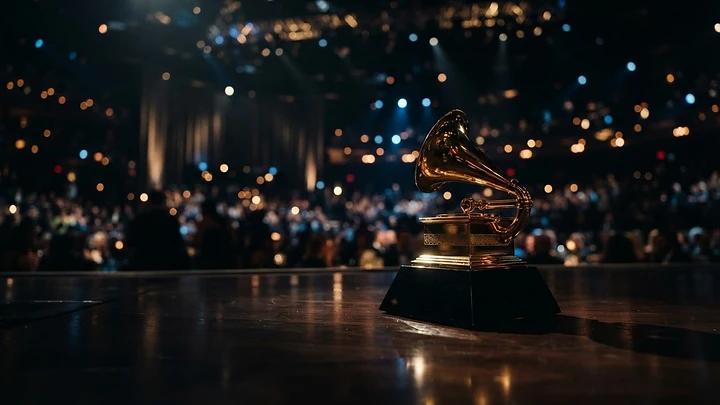
The 2026 Grammy Awards will go down in history as a watershed moment—not just for the victors, but for the institutional crisis that challenged the legitimacy of music's biggest night. As Bad Bunny celebrated a historic win for Album of the Year, as reported by Grammy.com, the Recording Academy's corridors were buzzing with heated debate over the newly minted 'Best Asian Pop Music Performance' category. This forced inclusion, viewed by many as a reductive attempt to pigeonhole global talent, sparked a wave of industry resistance like nothing we have seen before.
The 2026 Grammy ConflictThe centerpiece of the evening was undoubtedly the coronation of Bad Bunny, yet the atmosphere remained overshadowed by the deliberate absence of BTS. Their album 'ARIRANG' became the focal point of a strategic boycott; the South Korean juggernauts, alongside other major acts, refused to participate in a category they deemed segregational. As highlighted by Billboard, the Academy faced intense public pressure to justify the categorization.
Meanwhile, Olivia Dean solidified her status as a global powerhouse by clinching the Best New Artist title, defying market predictions.
The Root of the Representation CrisisThe debate over genre and regional segmentation has become a major friction point. As detailed by the Chosun Ilbo, artists' dissatisfaction wasn't about missing out on trophies, but about the systemic barriers preventing them from competing in general categories. While the Academy defended the move as an inclusivity effort, the move exposed a gaping disconnect between the award’s traditional structure and the reality of a globalized music industry where Asian artists command audiences as vast as their Western counterparts.
Shifting the Grammy StructureAfter months of mounting tension, the Recording Academy was forced to initiate an internal review process. According to The Korea Times, Harvey Mason Jr. signaled a change of heart.
By October 1, 2026, following direct pressure from stakeholders, the Academy chose to keep the category but pledged a rigorous annual review. The lingering question remains regarding the technical criteria: the Academy remains opaque about its 'review' parameters, offering little beyond promises of deeper dialogue with affected communities.
Global Impact of the ControversyWhile the financial fallout is still being calculated, a noticeable drop in engagement across Asian markets during the live broadcast was undeniable. The controversy forced a reckoning on whether regionalization is even viable in a hyper-connected digital age. By using AI to analyze sentiment in real time, the Academy was able to map the fans' backlash, accelerating the need for policy shifts.
K-pop acts, now acutely aware of their leverage, are redefining their relationship with Western awards—moving from mere guests to active decision-makers.
Future Trends and PredictionsThe trajectory points to much higher scrutiny regarding award governance.
The battle between the 'two Olivias'—Olivia Rodrigo and Olivia Dean—for 2027, as analyzed by the Los Angeles Times, proves that despite the controversy, the race for hardware remains cutthroat. The new standard for the Grammys' legitimacy will likely be measured by the actual diversity of its voting body rather than superficial, performative inclusions.
Emerging Opportunities Amidst the ChaosThe current landscape favors music platforms that prioritize global curation without the baggage of regional boxes. Independent artists now have a clear path to fill the void left by giants who, like BTS, felt alienated by the Academy’s obsolete structures. The Hollywood Reporter reinforces that the future of awards shows rests on their ability to adapt to this new era of borderless, independent artistry.
Risks Facing the Recording AcademyThe greatest risk is the permanent alienation of international fanbases.
If the Academy insists on the 'ghettoization' of genres, it risks losing its cultural relevance to more fluid, modern platforms. The overwhelming success of artists who transcend genre boundaries is clear evidence that the public craves connection over division. The future of the Grammys depends on their ability to evolve—or inevitably become a relic of a world that no longer exists.