Brazil's 2026 Ecotourism Boom: Balancing Growth and Preservation
Brazil has become a global leader in ecotourism. Discover how the nation is balancing record-breaking visitor numbers with vital environmental conservation.
Nivagoo
Listen to this article
The 2026 Milestone
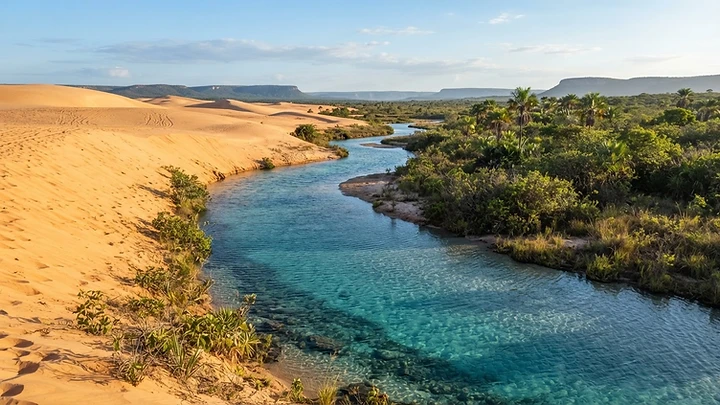
The Brazilian tourism sector reached a historic turning point in 2026, solidifying its status as a cornerstone of the global travel market. According to reports, the country welcomed 9.2 million international visitors this year. Following the prestigious 'Destination of the Year' title awarded by Travel + Leisure, the dynamics within national parks and reserves have shifted significantly. More than a leisure activity, ecotourism has evolved into a strategic conservation tool. Destinations like Bonito, which proudly carries a 'Carbon Neutral' certification, and the rugged Jalapeno region, are emerging as successful models for managing the pressures of high demand.
The Rise of Sustainable Travel
This paradigm shift was fueled by the modern traveler's demand for ESG (Environmental, Social, and Governance) practices, which Embratur has now established as a pillar of market competitiveness. The global appetite for authentic experiences aligns perfectly with Brazil's vast biodiversity. While popular rankings celebrate aesthetic beauty, platforms like PlanetaEXO have introduced rigorous conservation and social integration criteria, forcing the industry to elevate its operational standards. Sustainability is no longer a marketing tactic; it is now a fundamental requirement for survival in the international arena.
Transforming Local Empowerment
A major breakthrough lies in the rise of community-based tourism. The case of Pico da Neblina, as documented by Viagem Viva, exemplifies how co-management with the Yanomami people creates a protective barrier against environmental degradation. This model ensures that revenue flows directly to local families. By implementing strict access limitations, it counters predatory tourism practices and ensures that the carbon footprint of air travel is balanced by conscious territorial management.
Global Impact
Brazil’s success serves as a policy laboratory for Latin America. The adoption of environmental monitoring technologies and digital booking platforms allows authorities to manage visitor flows in real-time. However, the shadow of 'overtourism' remains. Increased revenue in remote municipalities brings an urgent need for basic sanitation and infrastructure—services that are often neglected by local governments in favor of maximizing visitor volume.
Future Trends
Looking ahead, the market is trending toward mandatory environmental certifications audited by independent NGOs. It will no longer suffice to merely offer 'nature' as a product; operators will need to prove tangible local income distribution and robust waste management. Monitoring delicate natural springs, currently under heavy tourist pressure, will require technical contingency plans that cap visitor numbers based on the biological carrying capacity of the land, rather than ticket sales quotas.
Emerging Opportunities
A window of opportunity has opened for private investment in low-impact, high-tech hospitality. Training traditional communities in tourism management generates social empowerment and preserves ancestral knowledge. For investors, the Brazilian market now presents a landscape where ESG metrics are proven assets for real estate and cultural appreciation.
Risks and the Necessary Counterpoint
Not all impacts are positive. The primary risk is the gentrification of rural destinations and the accelerated degradation of fragile ecosystems due to a lack of effective oversight in national parks. The carbon footprint of long-haul flights remains a paradox: we promote eco-destinations while ignoring the logistics of arrival. Total transparency in income distribution metrics is essential to ensure that economic growth does not lead to social exclusion at the ends of these travel routes.
[Subscribe to our monthly newsletter to receive updated reports on the socio-environmental impact in key Brazilian destinations and plan your next trip mindfully.]