Are AI-Powered Robot Vacuums Worth the Premium Price Tag in 2026?
Is a high-end robot vacuum worth the investment? We analyze AI technology, performance, and value to see if premium models truly upgrade your cleaning routine.
Nivagoo
Listen to this article
What to Expect from AI Robot Vacuums in 2026?
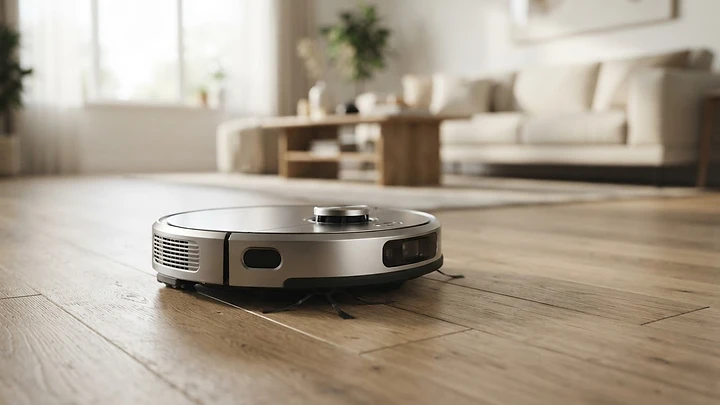
Over the past few years, the smart home market has grown exponentially. The robot vacuum has evolved from a simple device bouncing blindly off walls into a sophisticated system capable of identifying objects, bypassing obstacles in real-time, and learning the unique layout of your home. As consumers search for the best robot vacuum of 2026, many are questioning if these artificial intelligence features actually justify the steep price of flagship models.
The reality is that AI is far more than a marketing gimmick; it is a critical component for effective cleaning. While budget-friendly models often struggle with stray charging cables or cluttered floor plans, units equipped with next-gen computer vision can navigate complex environments and optimize cleaning routes autonomously.
Performance and Mapping Technology
The primary distinction between premium devices and entry-level options lies in their sensor arrays. Advanced robot vacuums using LiDAR technology combined with high-resolution cameras allow the unit to generate detailed 3D floor maps. Practically, this means you can trigger targeted cleaning for a specific room via your smartphone or set virtual 'no-go' zones with millimeter precision.
Beyond navigation, many of these models function as true 2-in-1 systems. Using sonic vibration mopping or self-cleaning docking stations, these units ensure that your floors are not just vacuumed, but polished. This level of automation drastically reduces human intervention, allowing your home to be serviced while you work or relax.
Pros and Cons of Flagship Models To help you navigate your smart vacuum review, we have outlined the core differences that separate premium models from the rest of the pack:
Pros: - Intelligent Navigation: Advanced obstacle avoidance protects pets and manages loose electrical cords effectively.
- True Autonomy: Self-emptying stations that automatically manage debris and wash mop pads, eliminating daily maintenance. - Cleaning Efficiency: Superior suction power that automatically scales based on surface type, from hardwood to thick carpet.
Cons: - High Initial Investment: The price point can be prohibitive for many households.
- Consumable Maintenance: Proprietary filters, brushes, and specialized mopping pads can add up in long-term costs. - App Dependency: These systems require a stable home Wi-Fi connection and involve sharing mapping data with cloud services.
Is the Investment Really Worth It?
If you live in a home with complex furniture layouts, pets that shed, or simply require a 'set it and forget it' solution, these premium models are worth every penny. For those seeking maximum productivity, the time saved is a major factor. Conversely, if you reside in a smaller apartment with a straightforward layout and uniform flooring, a mid-range robot vacuum without advanced AI features may deliver similar results for a fraction of the cost.
The 2026 market offers a wide spectrum of choices, ranging from entry-level suction-only bots to highly integrated home ecosystems. Before purchasing, consider whether the convenience of a self-cleaning base justifies the footprint it occupies in your utility room or kitchen. Ultimately, a smart vacuum is a time management tool, not just a household appliance.
Leia também